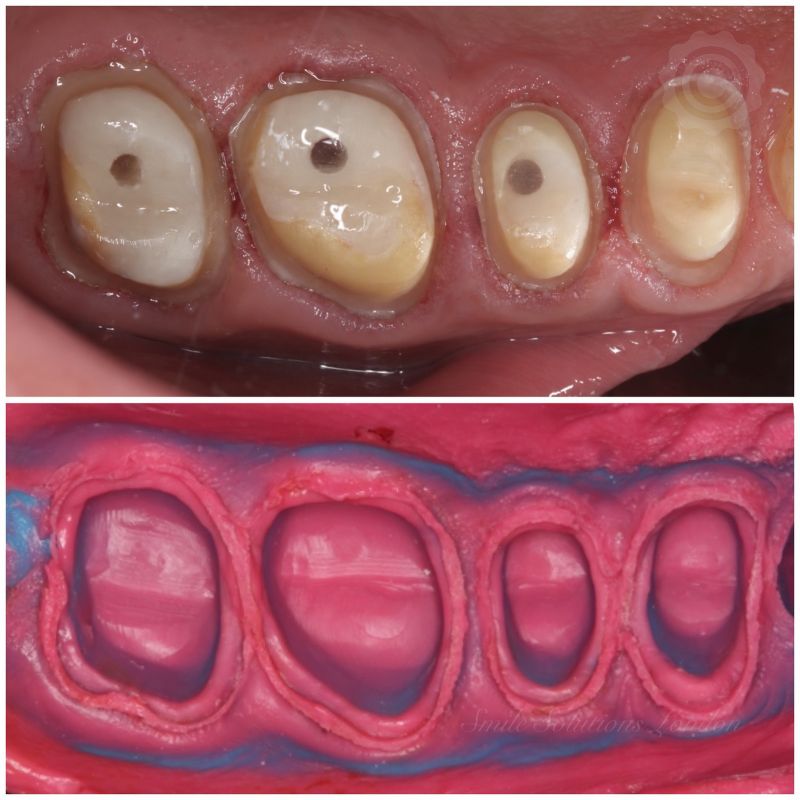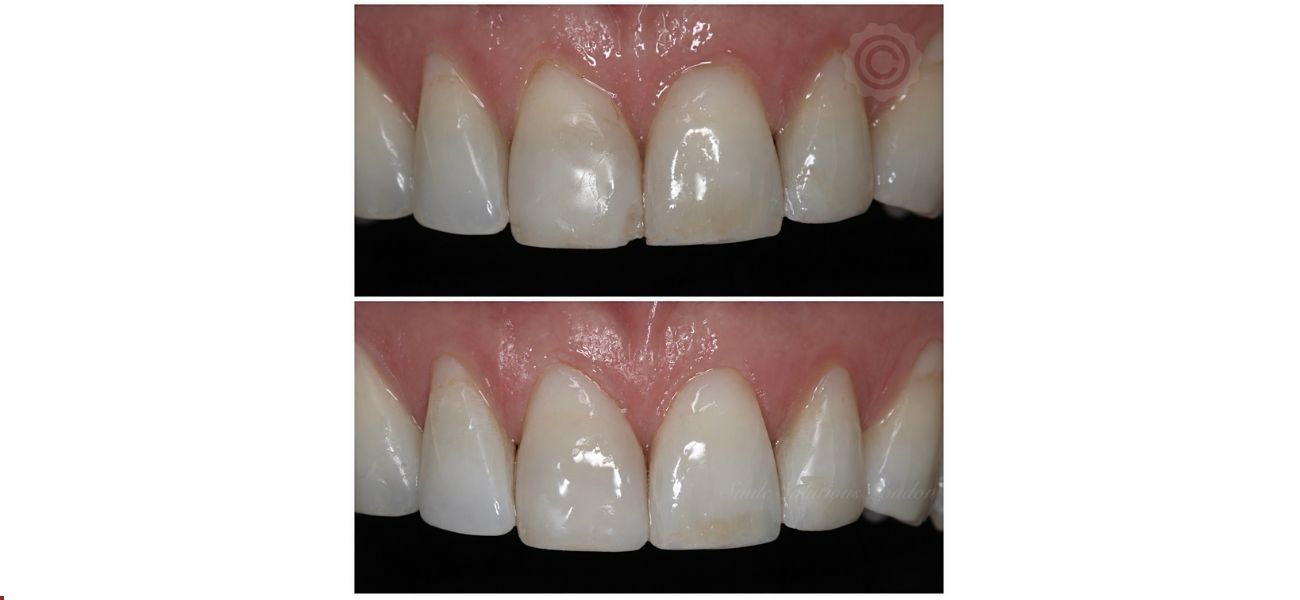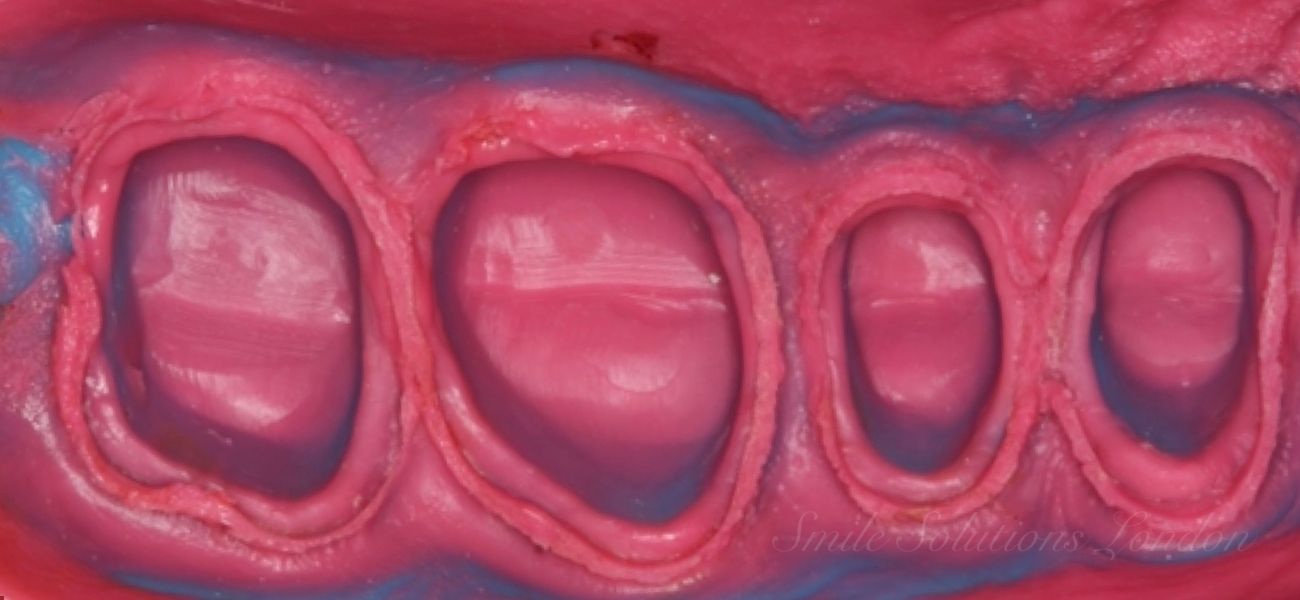
Before scanners, there were impressions.
And taking a truly accurate impression was a skill in itself. It was never simply about mixing material and putting it in a tray. It was about understanding your materials, managing the soft tissues, perfecting your tooth preparations and making sure every margin was captured clearly.
Taking an impression is only half the skill
A good impression is not just one that has been taken. It is one that has been read.
Before anything leaves the practice, we look carefully at what the impression has actually captured. Are the margins crisp and complete? Is every detail of the preparation recorded? Is there anything that could leave the laboratory guessing?
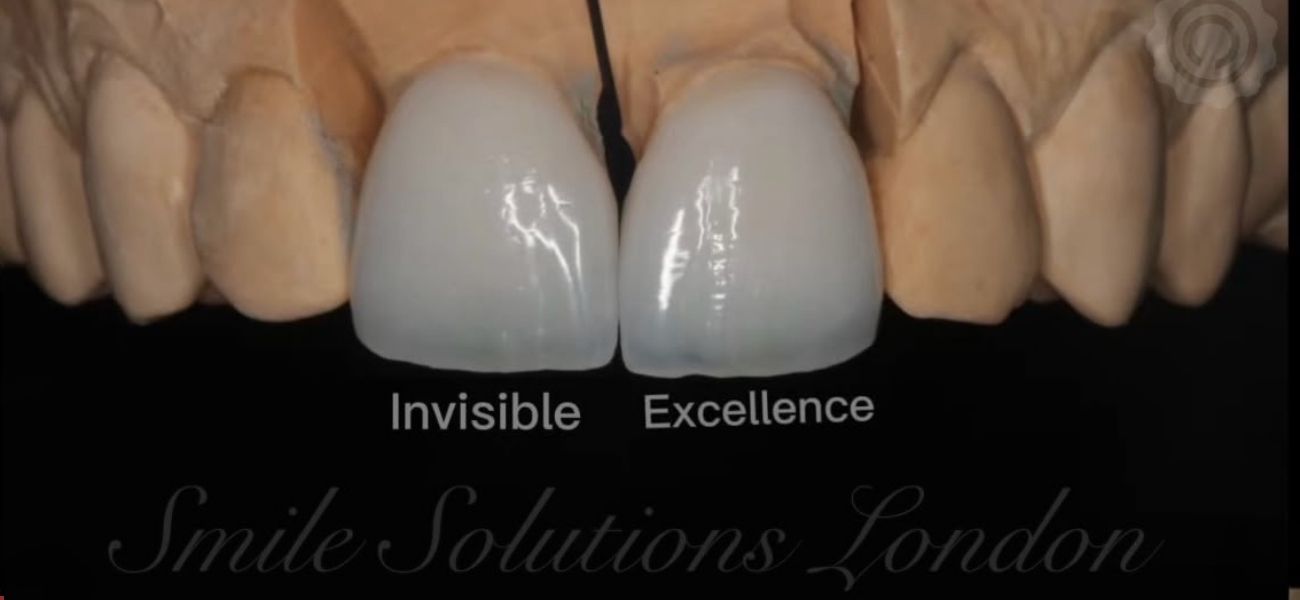
Because your ceramist can only work with the information you give them. If the impression is unclear, even the most talented technician is being asked to create beautiful work from incomplete information. When the impression is precise, the laboratory can produce the very best version of what the patient needs.
Recognising that difference, and being prepared to take it again when it is not quite right, comes with experience.
Technology is wonderful, until it is not
Digital technology has made our workflows faster and more sophisticated. Intraoral scanning has transformed how we record, design and communicate, and we embrace it fully.
But what happens when the scanner goes down? When the software fails, or the power goes out?
In those moments, the equipment cannot help you. What remains is the dentist’s own clinical skill, the ability to go back to the fundamentals and still produce the high quality information a ceramist needs to create exceptional work.
The foundation behind every smile
Whether the information is captured digitally or by hand, the principle is the same. Precise preparation, careful tissue management and a record that tells the laboratory everything it needs to know.
The technology may fail. Your clinical skills should not.