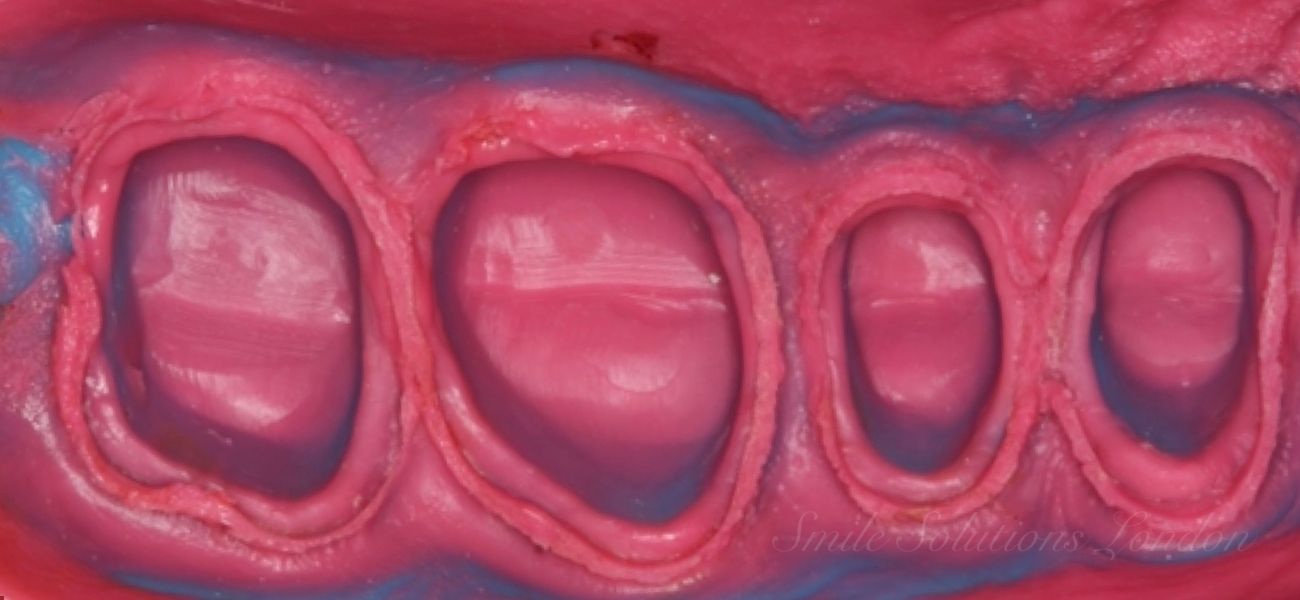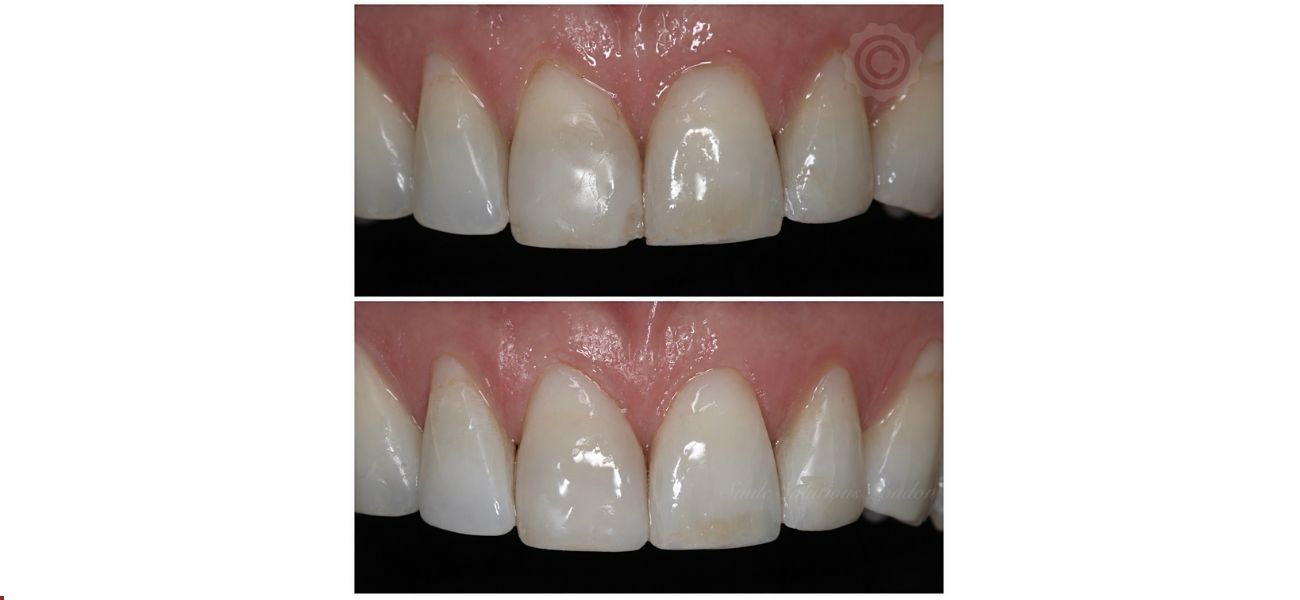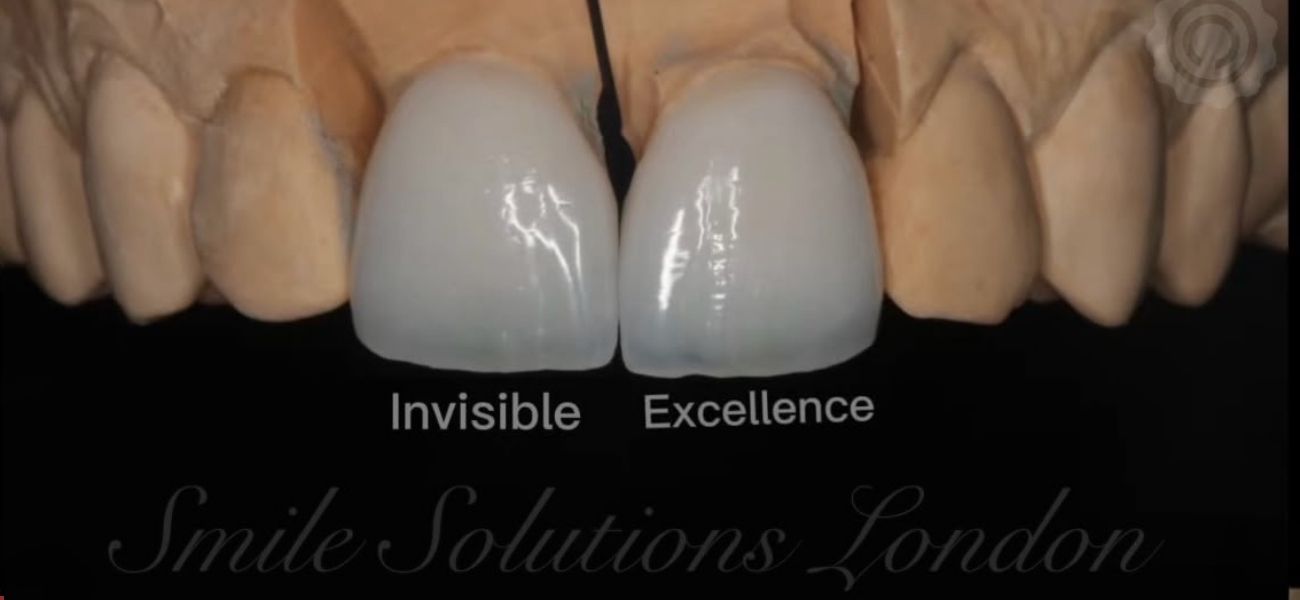
Before we change a tooth, we need to understand how it moves.
A crown, veneer, composite or ceramic restoration does not live in a photograph. It lives inside a mouth that chews, clenches, slides, grinds and functions every single day.
This is why we check the bite.
Not just biting together. Side to side movements. Forward movements. Lateral excursions. The tiny contacts that patients never see, but dentists should always be looking for.
Because if there is not enough space, or if the new restoration is being hit in the wrong place at the wrong time, even beautiful dentistry can chip, debond, fracture or feel uncomfortable.
The evidence around occlusion is complex, and the bite is not the only reason dental work fails. Decay, bonding, material choice, enamel, moisture control, parafunction, oral hygiene and planning all matter. But studies do show that bruxism and parafunctional forces can increase mechanical complications, especially with veneers, ceramics and fixed prosthodontics. Research has found, for example, that porcelain veneers carry a higher risk of failure in patients who grind, and that protective splints can reduce that risk (https://pubmed.ncbi.nlm.nih.gov/23986018/). The wider evidence on sleep bruxism and ceramic restorations is nuanced, but clinically important, particularly for front teeth (https://pubmed.ncbi.nlm.nih.gov/28967401/).
So when we check lateral excursions, we are not fussing.
We are checking whether the dentistry we recommend has a realistic chance of surviving in that patient’s mouth.
That is the difference between placing dentistry and planning dentistry.
Excerpt for the blog listing page:
Beautiful dentistry can still chip, debond or fracture if the bite is wrong. Here is why we study how your teeth move before we ever change a tooth, and why it is the difference between placing dentistry and planning it.